
Key Takeaways
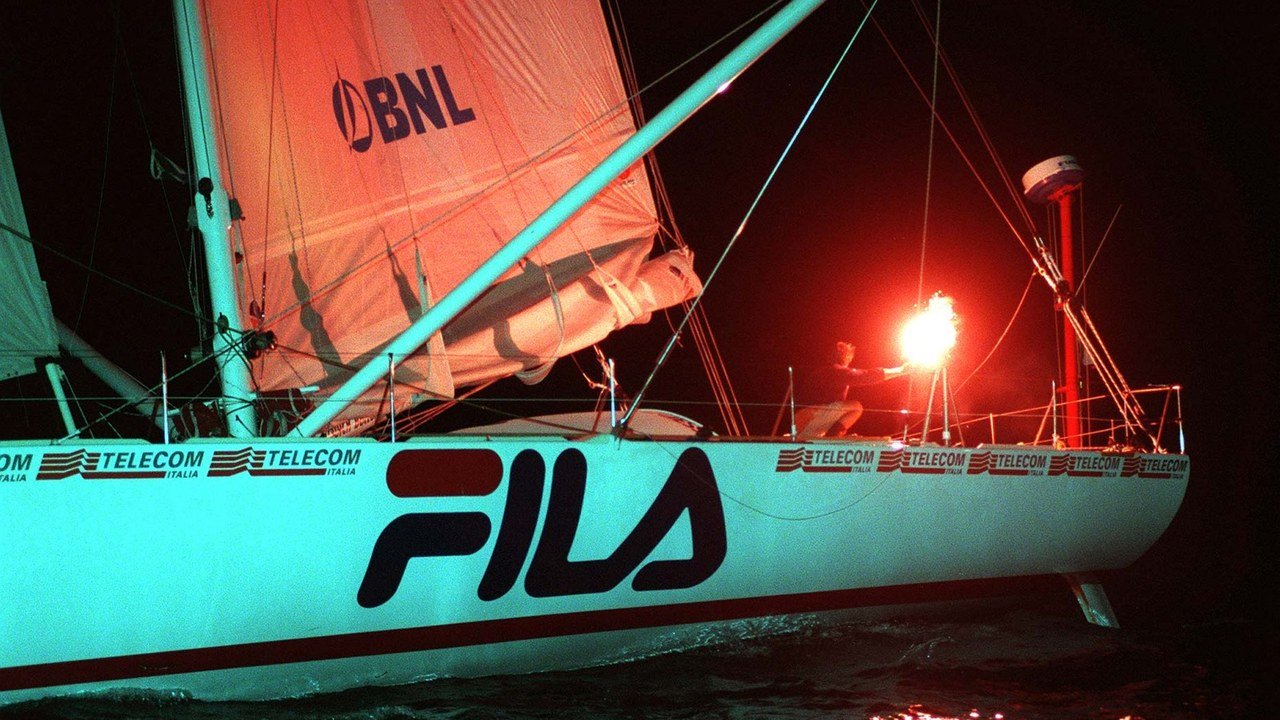
- Marine flares are specifically designed for use on water and must meet strict USCG and SOLAS regulations.
- Road flares are not waterproof and lack certification for marine use, making them unsuitable for water-based emergencies.
- Boaters must carry at least three marine flares, including nighttime use flares, and store them in a waterproof container.
Regulations and Requirements for Marine Flares
Federal regulation 33 CFR § 87.01 defines 16 types of signals that can be used for vessels in need of assistance. Boats and vessels on federally controlled waters longer than 16 feet must carry at least three of these distress signals, including pyrotechnic-based devices. These devices must be approved by the USCG and include clear manufacture and expiration dates.
Marine flares should be kept in a waterproof container and stored a good distance away from sunlight or engine heat. Boaters should not expect buoys they come across to have emergency flares, and it's essential to check the expiration dates of flares regularly.
Key Differences Between Marine and Road Flares
Road flares differ from marine flares in that they are not waterproof or rated for marine visibility distances. They also lack certification from the USCG or SOLAS, making them unsuitable for water-based emergencies. Marine flares, on the other hand, are specifically designed for use on water and must meet strict regulations.
The International Convention for the Safety of Life at Sea (SOLAS) and the International Maritime Organization (IMO) have established guidelines for marine flares, which include certification requirements and storage guidelines.
Industry and Market Context for Marine Flares
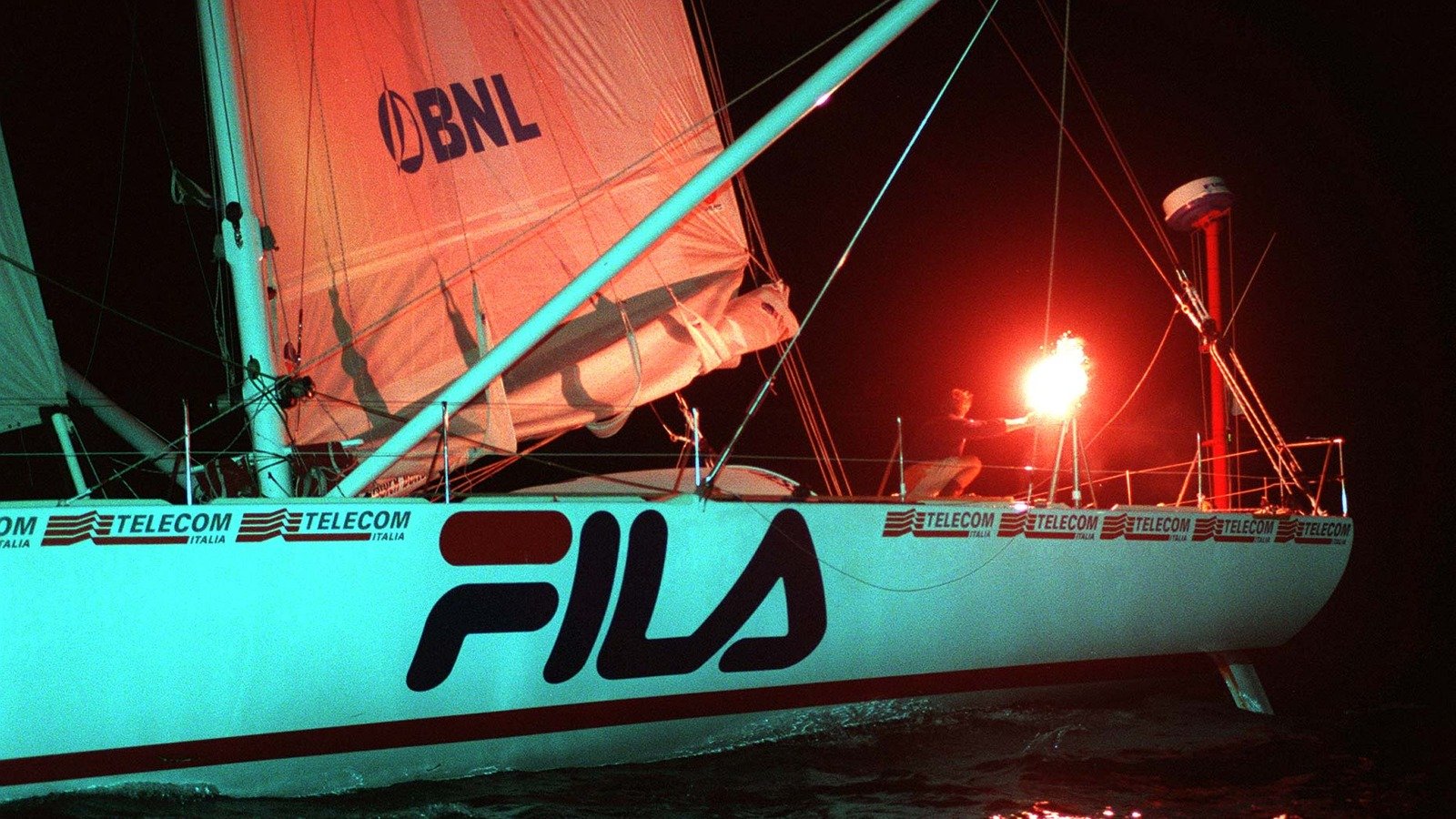
The market for marine flares is regulated by strict guidelines and certifications, ensuring that boaters have access to reliable and effective emergency signals. The USCG and SOLAS regulations have established a high standard for marine flares, which has led to the development of specialized products designed for water-based emergencies.
The use of marine flares is not limited to recreational boating; commercial vessels also require these emergency signals to meet regulatory requirements.
Practical Takeaways for Boaters and Consumers
When purchasing marine flares, it's essential to check the certification and expiration dates to ensure compliance with regulations. Boaters should also store their flares in a waterproof container and keep them away from sunlight or engine heat.
In the event of an emergency, boaters should use the correct type of flare for their situation, as marine flares are specifically designed for use on water and road flares are not suitable for water-based emergencies.
Frequently Asked Questions
What are the key differences between marine and road flares?
Marine flares are specifically designed for use on water and must meet strict USCG and SOLAS regulations, while road flares are not waterproof and lack certification for marine use.
What are the regulations for storing marine flares?
Marine flares should be kept in a waterproof container and stored a good distance away from sunlight or engine heat, and it's essential to check the expiration dates regularly.




Leave a Reply