
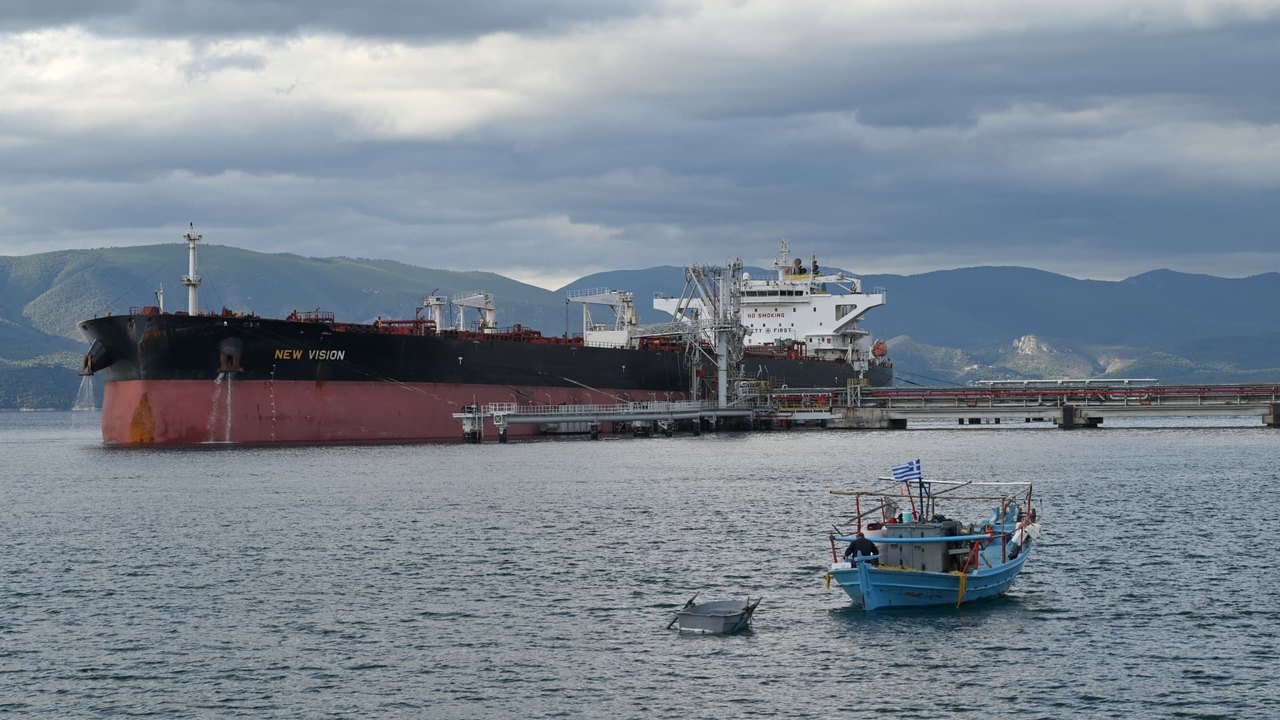
Oil prices fell on Monday as shipments through the Strait of Hormuz recovered and tensions between Iran and the U.S. remained at a stalemate, with Brent crude falling 3.55% to $92.44 per barrel and West Texas Intermediate crude futures settling down 3.58% to $85.39 a barrel.
Review Highlights
- Brent crude fell 3.55% to $92.44 per barrel on Monday, while West Texas Intermediate crude futures settled down 3.58% to $85.39 a barrel.
- The International Energy Agency expects global supply to exceed 1.7 million barrels a day in the fourth quarter of 2026, reversing its earlier forecast for a deficit.
- The decline in oil prices comes as forecasts project a surplus in oil in the fourth quarter, with Brent crude falling 3.55% to $92.44 per barrel and West Texas Intermediate crude futures settling down 3.58% to $85.39 a barrel.
Oil Prices Fall as Shipments Through Strait of Hormuz Recover
Oil prices fell on Monday as shipments through the Strait of Hormuz recovered, with Brent crude falling 3.55% to $92.44 per barrel and West Texas Intermediate crude futures settling down 3.58% to $85.39 a barrel. The decline in oil prices comes as forecasts project a surplus in oil in the fourth quarter.
The recovery in shipments through the Strait of Hormuz is a positive sign for the oil market, as it suggests that tensions between Iran and the U.S. are easing. However, the International Energy Agency's forecast of a surplus in oil in the fourth quarter is a more significant factor in the decline in oil prices.
International Energy Agency Forecasts Surplus in Oil in Fourth Quarter
The International Energy Agency expects global supply to exceed 1.7 million barrels a day in the fourth quarter of 2026, reversing its earlier forecast for a deficit. This forecast is based on the agency's analysis of global oil production and demand, and it suggests that the oil market is likely to be oversupplied in the fourth quarter.
The forecast of a surplus in oil in the fourth quarter is a significant factor in the decline in oil prices, as it suggests that the oil market is likely to be oversupplied in the coming months. This could lead to a decline in oil prices, as the market adjusts to the surplus in supply.

Wider Industry Context
The decline in oil prices is a positive sign for the global economy, as lower oil prices can boost economic growth by reducing the cost of production and transportation. However, the decline in oil prices also poses a risk to oil-producing countries, as lower oil prices can reduce government revenue and lead to economic instability.
The decline in oil prices is also a reflection of the ongoing tensions between Iran and the U.S., which have led to a decline in oil exports from Iran. However, the recovery in shipments through the Strait of Hormuz is a positive sign for the oil market, as it suggests that tensions between Iran and the U.S. are easing.
What to Watch Next
The decline in oil prices is a significant development in the oil market, and it is likely to have a major impact on the global economy. As the oil market adjusts to the surplus in supply, oil prices are likely to continue to decline, which could lead to a boost in economic growth.
However, the decline in oil prices also poses a risk to oil-producing countries, as lower oil prices can reduce government revenue and lead to economic instability. As the oil market continues to adjust to the surplus in supply, it is likely to be a major factor in the global economy in the coming months.
Common Buyer Questions
What is the current price of Brent crude oil?
Brent crude fell 3.55% to $92.44 per barrel on Monday.
What is the forecast for global oil supply in the fourth quarter of 2026?
The International Energy Agency expects global supply to exceed 1.7 million barrels a day in the fourth quarter of 2026.
Have a news tip, press statement, or correction request? Reach the DealMav Newsroom or review our Editorial Standards & Corrections Policy.













Leave a Reply